

History of Carbon County
History of Carbon County
Nestled in eastern Carbon County, the small town of Helper offers a unique window into Utah’s industrial past—and its creative future.
Back in the late 1800s, this area sprang to life thanks to two powerful forces: coal and the railroad. When tracks from the Denver and Rio Grande Western Railroad pushed through the region, they unlocked access to massive coal deposits buried in the surrounding hills. Almost overnight, Carbon County became a magnet for opportunity. Workers arrived from all over the world—more than 27 countries—bringing with them languages, traditions, and cultures that made this one of the most diverse places in Utah at the time.
Helper itself owes its name to the railroad. Trains traveling through Price Canyon faced a steep climb up to Soldier Summit. To make it, they needed extra locomotives—“helper engines”—which were stationed in town. That role turned Helper into a vital hub, bustling with rail activity, miners, and businesses. By the early 1900s, it had grown rapidly and earned the nickname “Hub of Carbon County.”
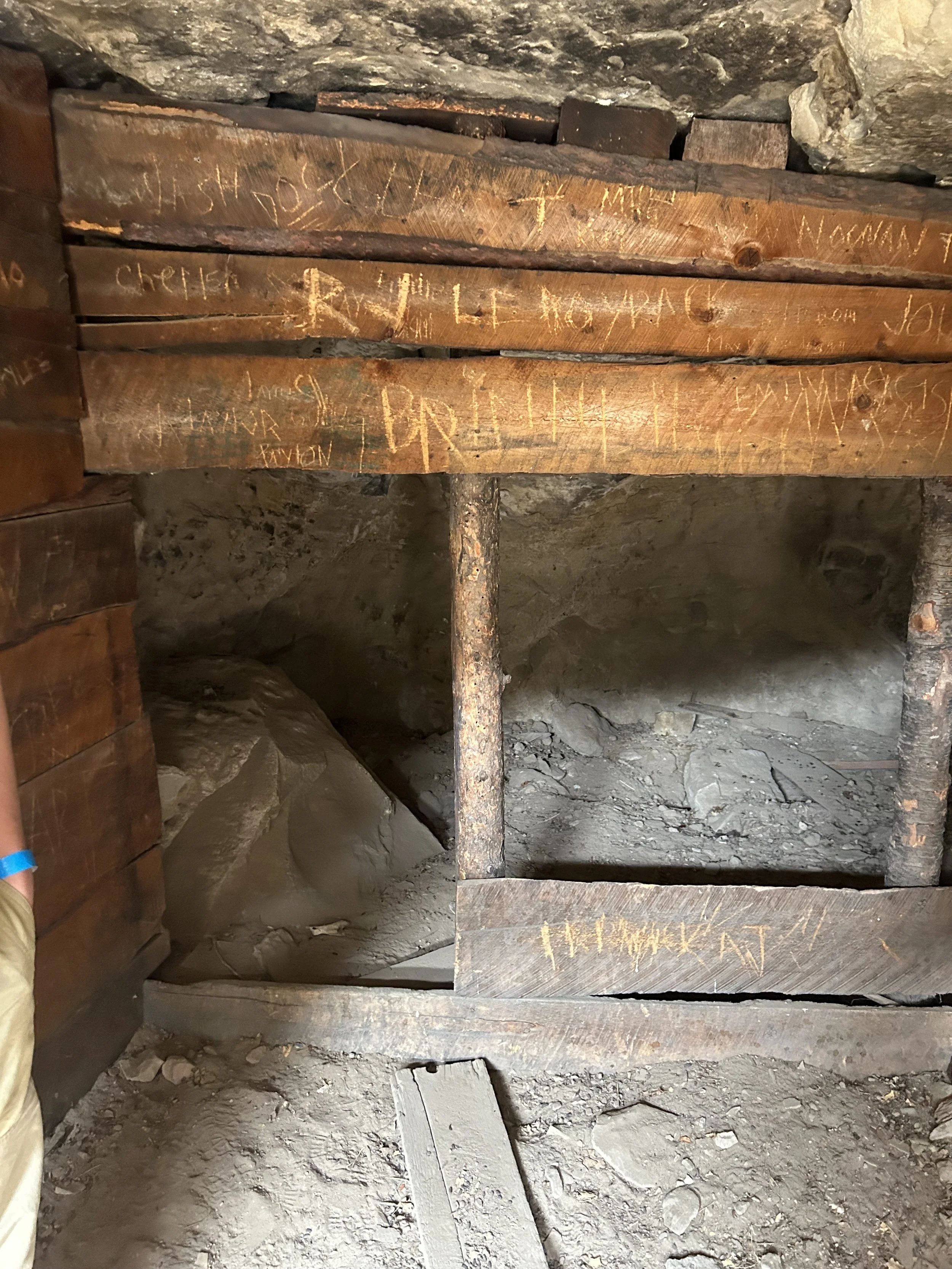
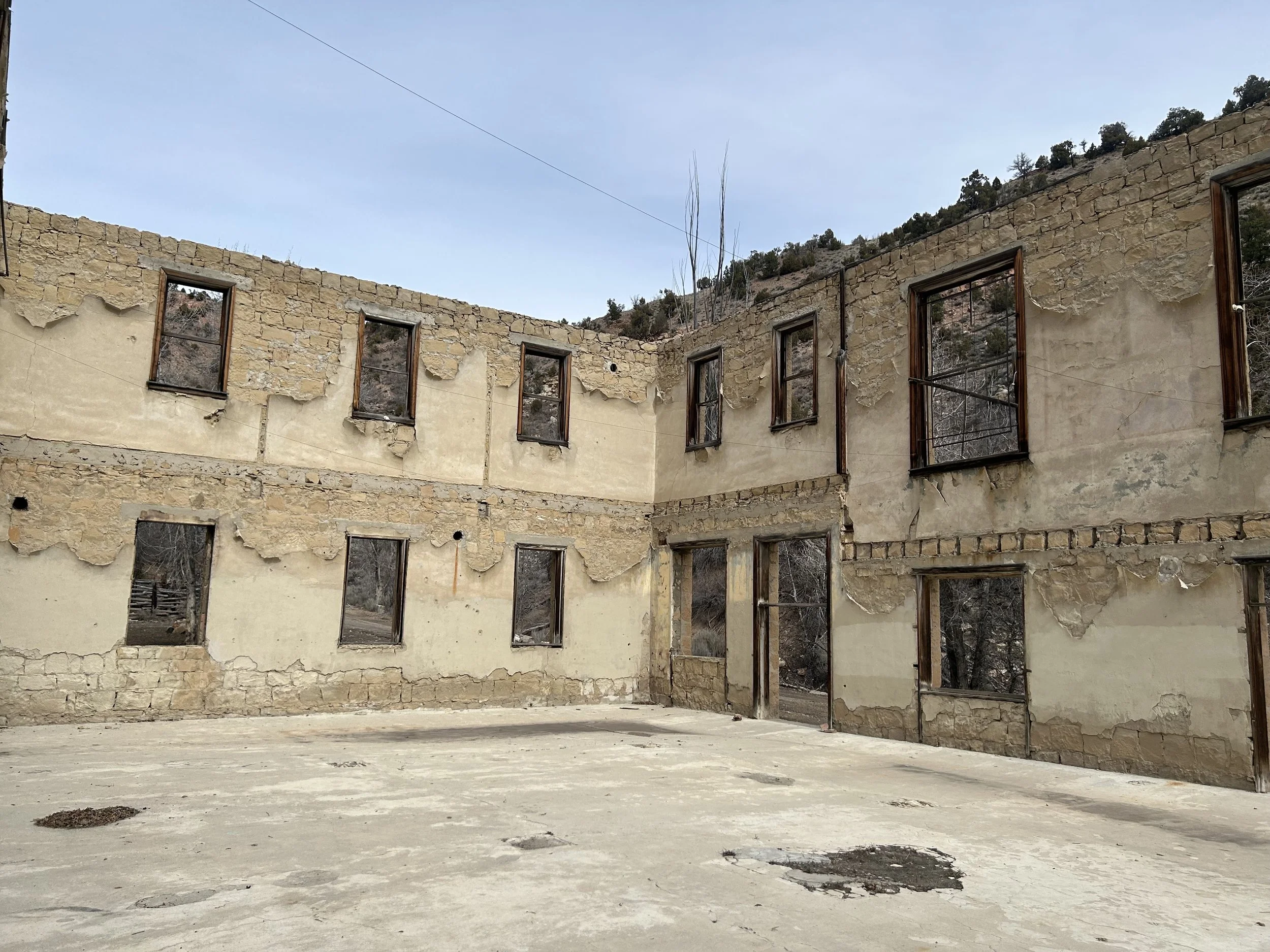
For decades, coal mining defined life here. Nearby camps and towns thrived alongside the industry, many of which have since faded into ghost towns scattered across the landscape. As energy demands shifted in the late 20th century, coal declined, and with it, much of the area’s economic momentum. Like many resource-based communities, Carbon County had to adapt.
Where Carbon County is Today…
Today, that adaptation is part of what makes the area so interesting.
Helper, in particular, has leaned into its character rather than leaving it behind. Its historic Main Street—once lined with saloons, shops, and boarding houses—now mixes that old-world feel with art galleries, studios, and small cultural events. It’s a place where industrial history and creativity overlap in a way that feels authentic, not manufactured.
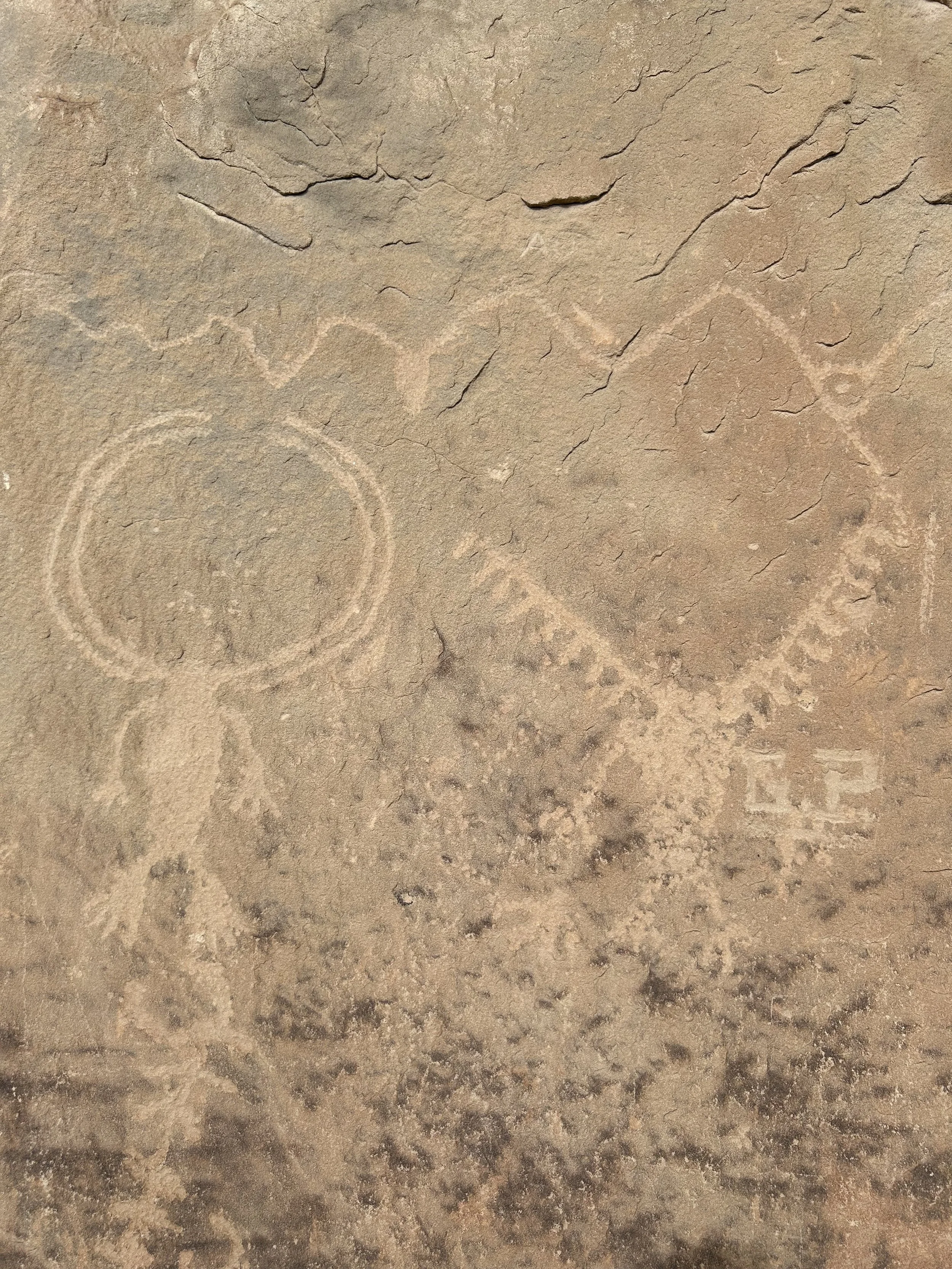
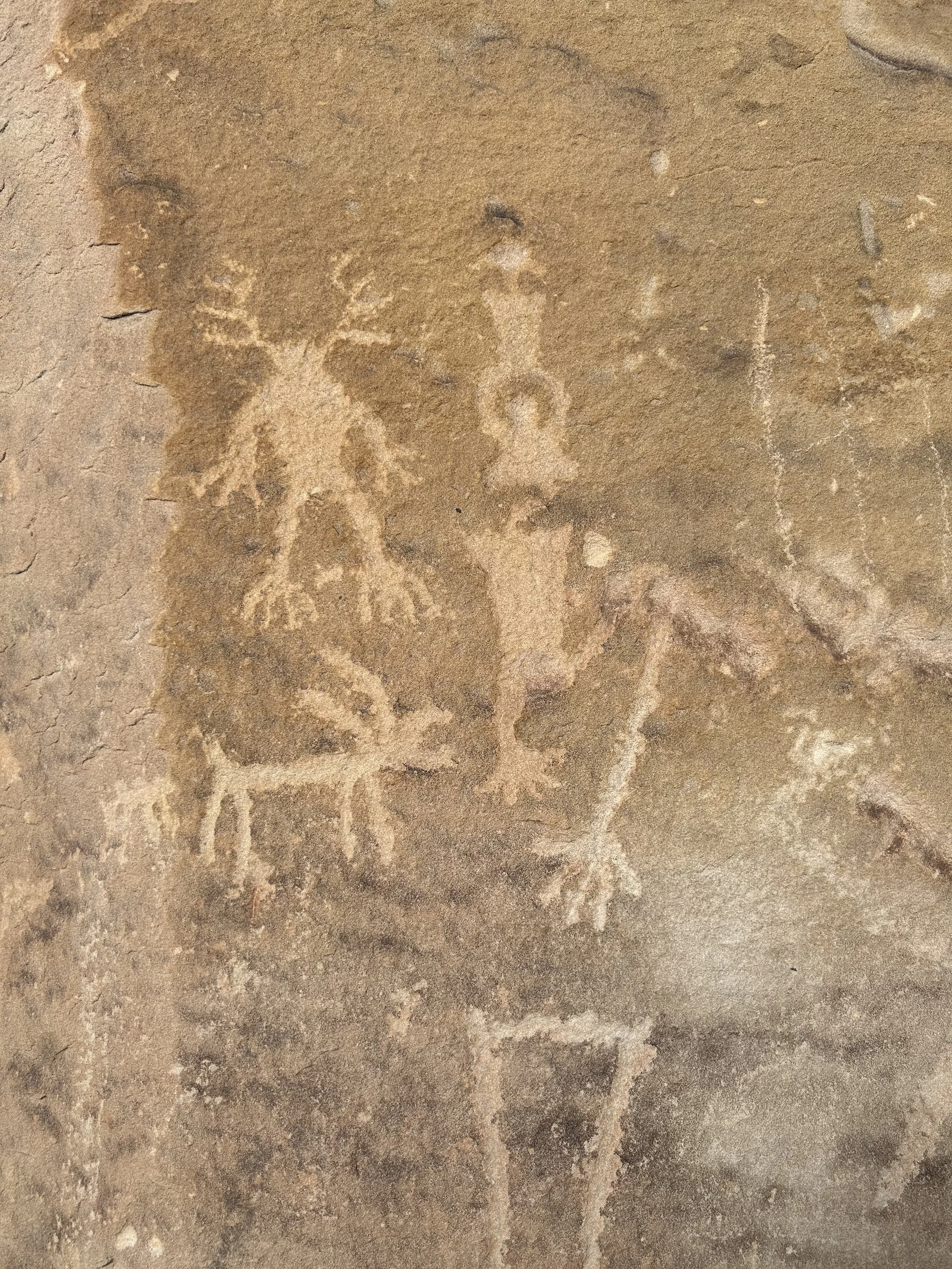
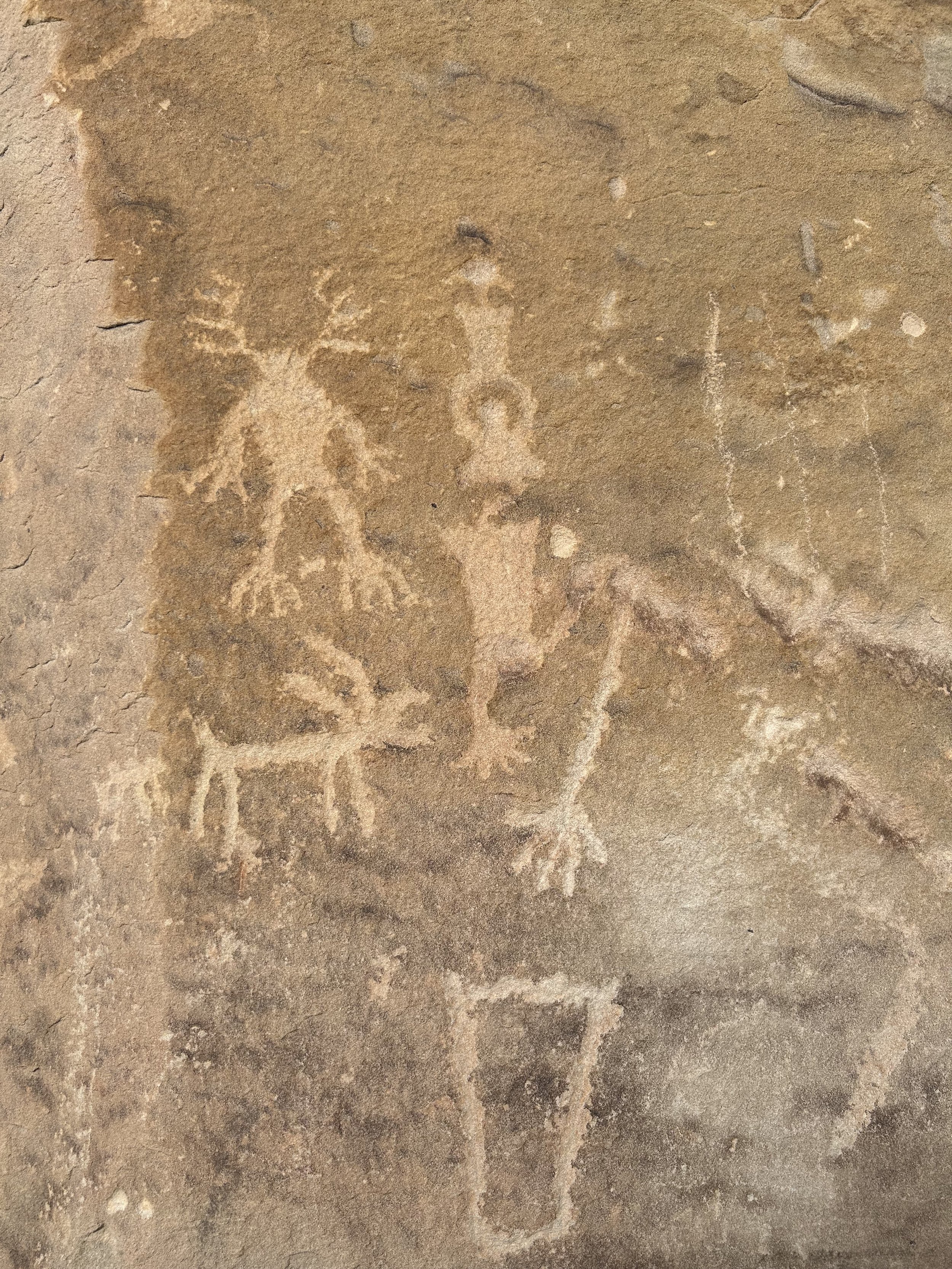
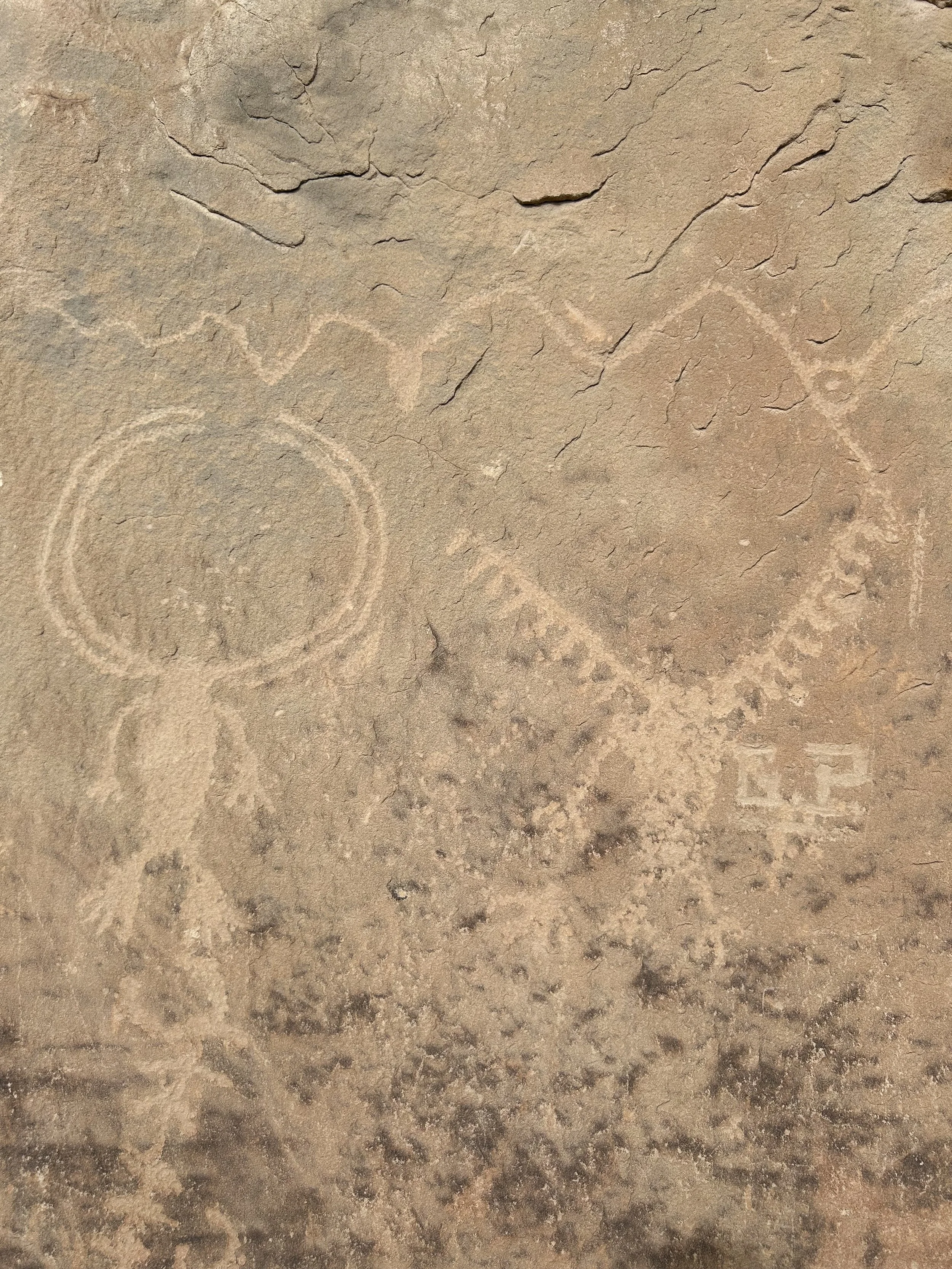
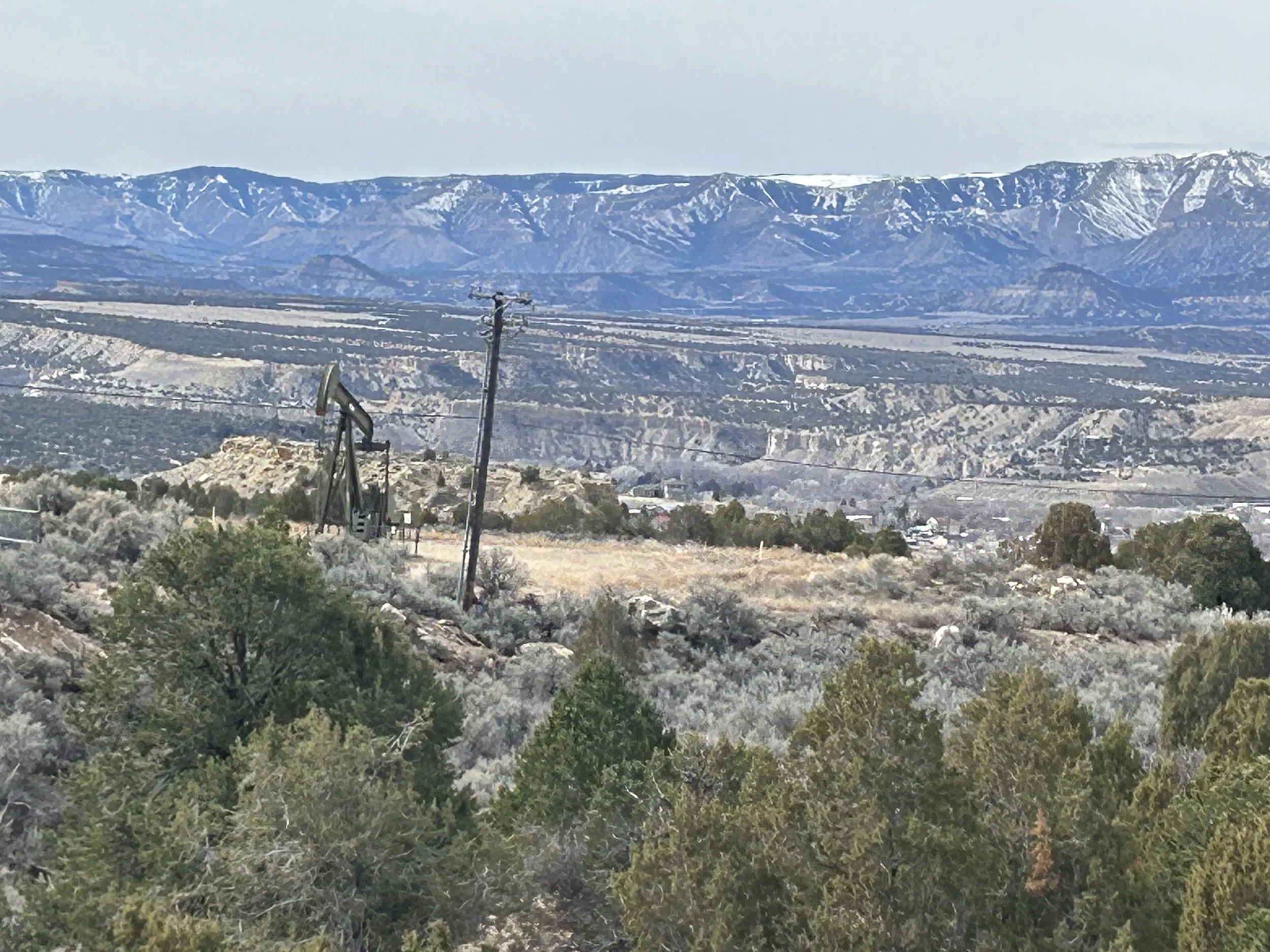
Beyond town, the landscape opens up quickly. The region offers access to rugged canyons, wide desert views, and outdoor recreation—whether that’s hiking, exploring old mining areas, or spotting ancient traces of Native American life like petroglyphs found throughout eastern Utah.
So if you’re curious about Carbon County, think of it as a place shaped by hard work and constant change. It’s not just a story about coal and railroads—it’s about how a community evolves. From a booming industrial hub to a quieter, more creative destination, places like Helper are finding new life while still holding onto the history that made them.